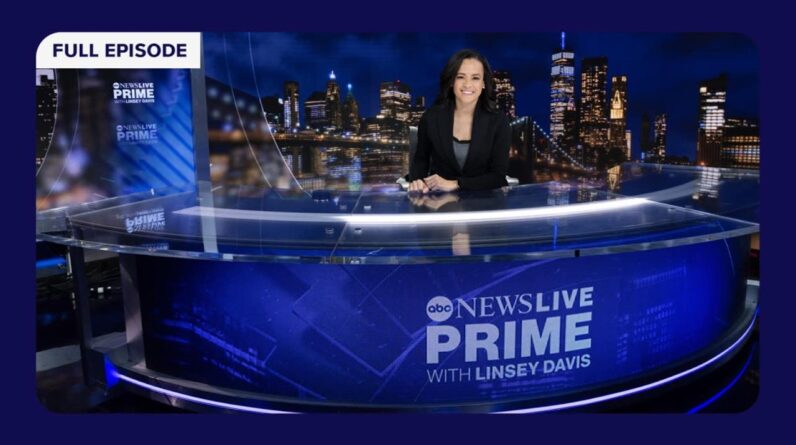
A look at the top photos from around the globe.
Current news is a popular genre of information available on a wide range of topics. Topics covered by current news may include war, government, health, entertainment, business, and education. Some stories are purely local, while others are more abstract and may be influenced by political, social, or economic factors. There are many ways to get current news, from traditional print media, to the proliferation of social media and the Internet.
Several researchers have explored the relationship between current news and the information economy. For example, Stephen J. Milner, an historian of Renaissance Florence, argues that “news as a form of knowledge is fundamental to the information economy.” Similarly, Robert E. Park, a professor of sociology at Columbia University, has written on the nature of information, news media, and information dissemination.
Professional news organizations and journalists usually focus on objectivity. Their aim is to report all sides of an issue without bias, while analysts offer their personal points of view. By emphasizing facts and presenting information in an unbiased fashion, journalists can achieve a degree of credibility. Many governments have placed constraints on the use of bias in news, and the United Kingdom’s regulatory agency Ofcom has a strict requirement for news organizations to be neutral.
The University of Southern Illinois Edwardsville has established the IRIS Center, an academic institute for the development of educational technology. The center’s founding faculty members are Ezra Temko, an assistant professor in the Department of Sociology, and Candace Hall, an assistant professor in the Department of Educational Leadership. The two were selected for the position because their scholarship crosses disciplines and their research goals are similar.