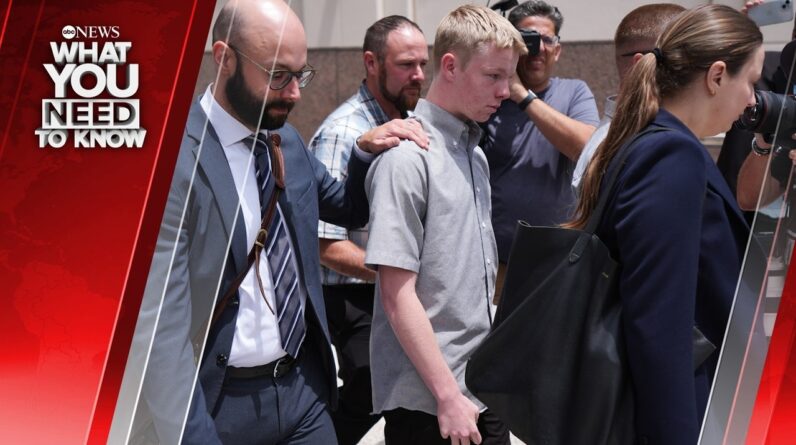
Brandon Tsay, who disarmed the Monterey Park shooting suspect, describes his thought process and how he jumped into action.
One of the hottest news topics of the day is how streaming is shaping the way we get our current news. Streaming enables viewers to customize their experience, whether it’s through reruns, documentaries, or news analysis. Its flexibility also means that video is available wherever you go, reducing the scarcity of media.
Historically, broadcast TV and cable television were lucrative businesses. While the industry grew and became more competitive, it also spawned a host of new channels, including CNN, MSNBC, and Fox News Channel. However, the audience for those networks splintered into partisan divisions.
This created frustration among consumers. It also served as a catalyst for innovators. As long-gestating cultural trends converged, the advantages of streaming became clear.
For example, in 2022, CBS News plans to beam 45,000 hours of local news. In the process, it plans to nichify coverage and provide more relevant information.
Streaming has been a boon to niche audiences. Free streaming services have modeled themselves after cable’s style, offering viewers a low-cost alternative to cable and other premium services.
Similarly, major news networks have high hopes for streaming. They’ve spent hundreds of millions of dollars in the streaming business, and the results are promising.
In addition to being available wherever you go, streaming news arrives on demand, allowing for time-shifting like cable TV. Ultimately, streaming offers a more reliable, personalized news experience. Streaming news has a high likelihood of becoming ubiquitous.
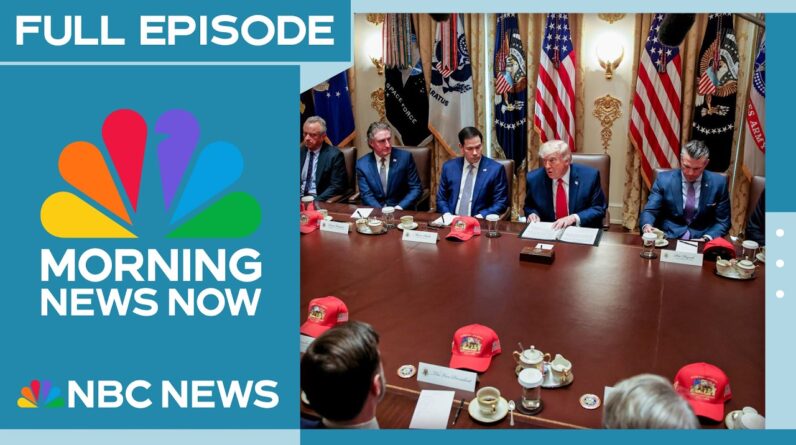
As a result, major streaming networks are repurposing programming from broadcast and cable for their own streams. NBC News Now offers 31 million hours of content a month.