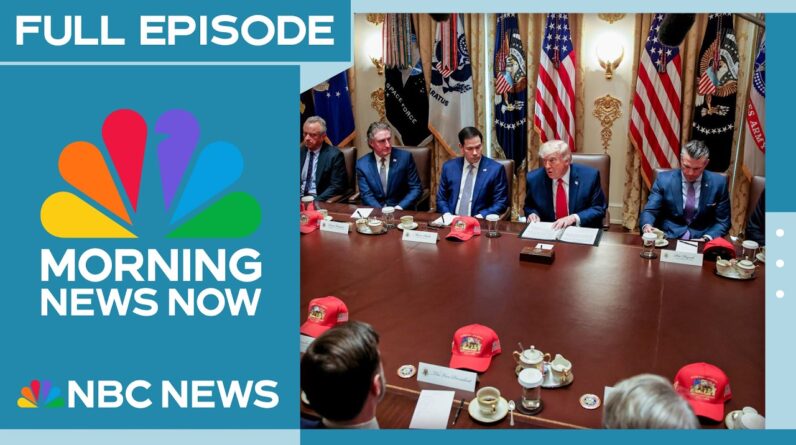
Rising cases of RSV, COVID and the flu have left some medications and hospital beds hard to find. ABC News’ Justin Finch has the details.
Streaming news has become increasingly ubiquitous. A new study finds that viewers spend more time watching online video than they do watching broadcast television.
This change sets up a convergence of long-gestating cultural trends. Streaming reduces the scarcity of media content, which in turn makes building news libraries economical. The combination of low barriers to entry and competitive pricing creates an incentive for new players to enter.
The rise of online video streaming will reshape the political landscape. It is likely to attract overtly political news operations to the Internet. Likewise, free news streamers will encourage cable subscribers to cut their cable subscriptions.
In the meantime, news networks have invested hundreds of millions of dollars in streaming operations. The major streaming networks offer reruns, documentaries, and regular nightly news programs. They also repurpose programming from cable.
Streaming also allows networks to archive their content. In addition, it enables viewers to customize their experience. This has resulted in niche audiences, particularly those who are commercial-averse. In fact, a recent survey found that a majority of Americans are subscribed to at least one streaming service.
In the last decade, the streaming space has gotten crowded. There are many new competitors, including the likes of Cheddar, Al Jazeera, and Newsy.
Streaming also has a significant advantage over conventional TV in that it can arrive on demand. With a DVR, viewers can time shift their viewing. This has also encouraged news networks to focus on local coverage. It has helped Fox gain 1.5 million subscribers to its Fox Nation streaming app.